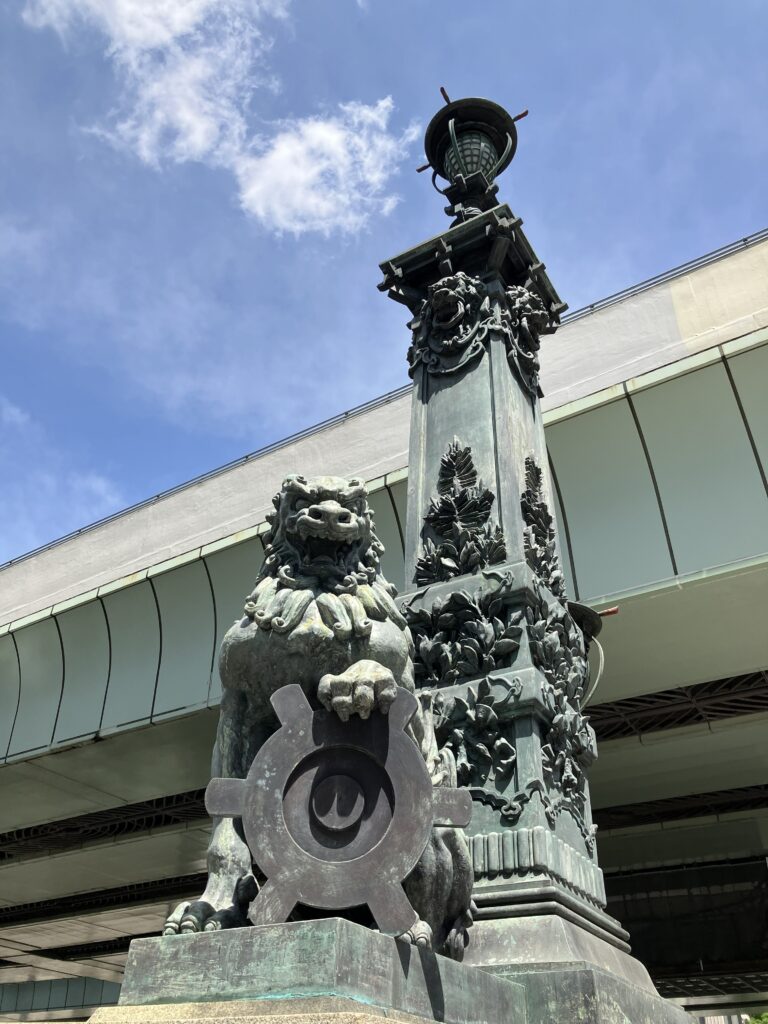
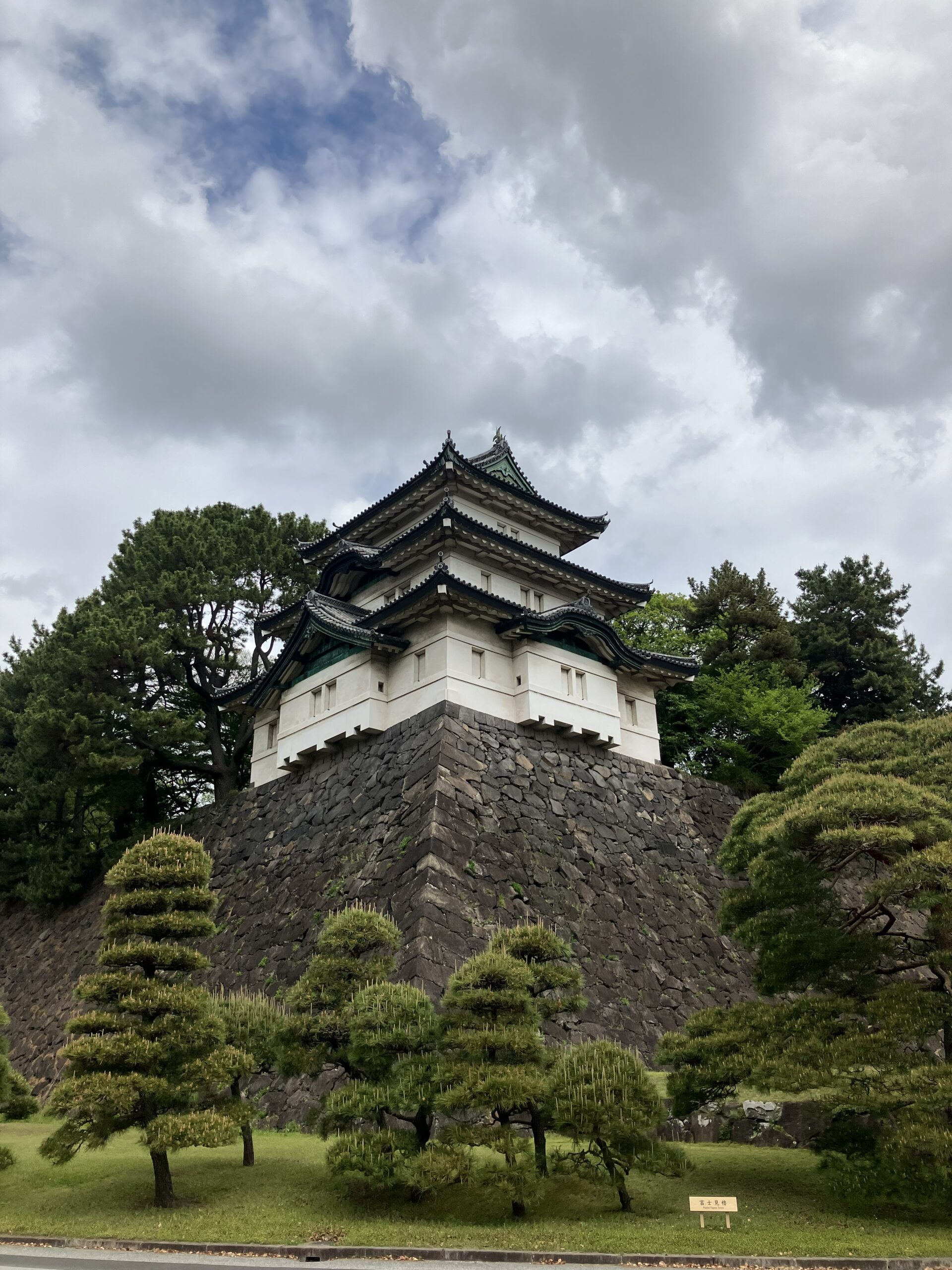
Imperial Palace Visit
Did you know you can take a tour of the Imperial Palace in Tokyo? I have been living in the Tokyo area for around 5 years now, but embarrassingly enough, I never actually went past the outer grounds of the Imperial Palace until the other day.
The Imperial Palace of Japan is located in Chiyoda in central Tokyo. As the name implies, it is the current residence of the Imperial Family of Japan. It is also where many important governmental gatherings and rituals take place, such as the welcoming of ambassadors, various Shinto religious rituals, and the congratulatory greetings of the Imperial Family to the public.
To the surprise of some, the area where the Imperial Palace stands was not always the Imperial Palace. It was originally the grounds of Edo Castle, built in the 15th century by the Samurai Lord Ōta Dōkan. Edo Castle would eventually come into the hands of the Tokugawa Shoguns, starting with the first Tokugawa Shogun, Tokugawa Ieyasu.
It would then be the headquarters of the military regime of Japan until 1867, when the Shogun stepped down, and the Emperor was placed back at the top of the Japanese Government, an event known as the Meiji Restoration.
Now, an interesting facet of this is the transformation from Edo Castle into the Imperial Palace of today. To keep a sense of continuity with the city of Edo, the head of the new government was placed in Edo, today known as Tokyo (literally meaning “Eastern Capital”). In the process, the Emperor too had to move from Kyoto to Tokyo. This was a monumental move as it was the first time that the capital (meaning where the Emperor was located) had moved since 794, when Kyoto was founded (then known as Heian-kyo, or the Capital of Peace).
I find that many people who visit the Imperial Palace are fairly disappointed, as they cannot enter past the open garden outside. While it is very beautiful with over 2000 black pines, it leaves a lot to be desired for those who wish to see the imperial palace itself.
Luckily, twice a day, there are tours of the interior grounds of the imperial palace. The tours are also completely free. You can join on the day, but there is a limit to how many can join, so I recommend booking in advance online from this link: https://sankan.kunaicho.go.jp/english/guide/koukyo.html
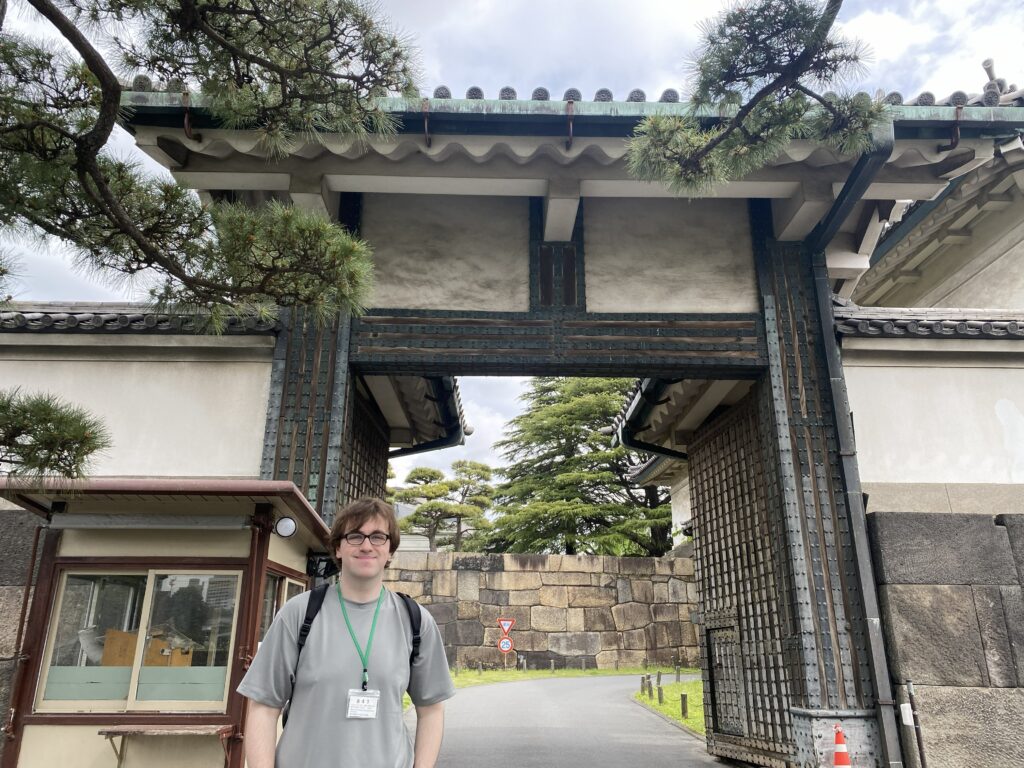
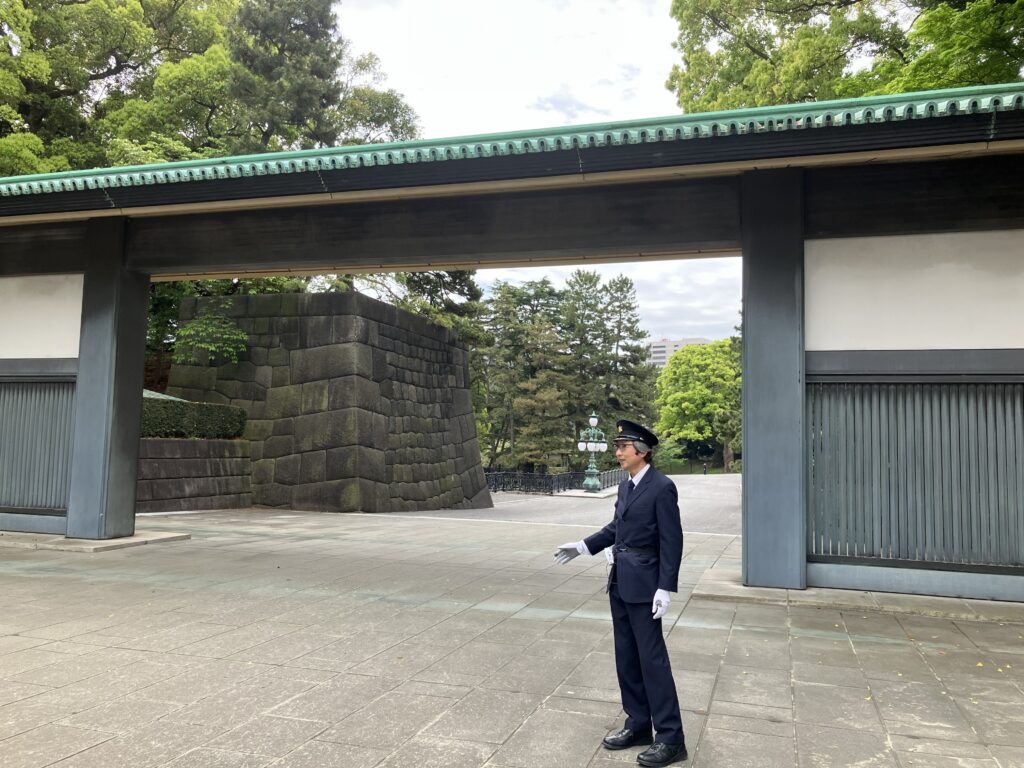
Multiple tours run at the same time and are split up by language. I joined the Japanese group, so I can not say how the other language guides were, but our guide (on the left) was very entertaining. He apparently started working at the Imperial Household Agency by looking after the horses.
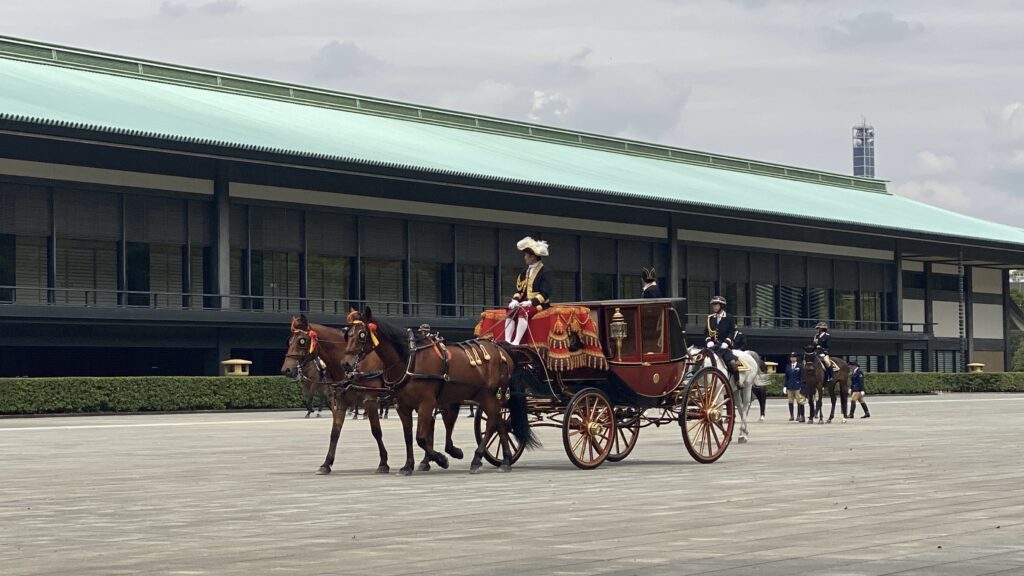
On the day we visited, there was a formal greeting of new ambassadors, so we had the privilege of seeing them riding in horse-drawn carriages into the Imperial Palace itself. All the horses used in the Imperial Palace, of which there are over 30, are taken care of in stables there.
Here is a little bit of trivia regarding this capital move: in some sense, Kyoto is still a capital of Japan. Historically, when the capital of Japan was moved, the word used was sento. However, in the case of the Emperor moving to Tokyo, the word used was tento. This latter word implies that the original capital the Emperor moved from still functions as a capital. In fact, whenever the Emperor visits Kyoto, he is greeted with a “welcome back”.