Tokaido – Journey Through the Eastern Sea Route
I have an urge to tread many have trodden before. To satisfy this desire, I have taken up a quest to complete the Tokaido, which can be literally translated as “the Eastern Sea Route”.
The Tokaido is mostly known now by the name of the Shinkansen bullet train line connecting the Kanto and Kansai regions of Japan, which I have ridden many a time. This line, however, is based on an earlier route that connected Edo (modern-day Tokyo) and Kyoto. The route connecting the east and west of Japan had existed since ancient times, but it was not until the Edo period, starting in the 17th century, that it took on the form that is more familiar today. As part of his restabilisation of Japan, the first Tokugawa Shogun, Tokugawa Ieyasu, labelled the Tokaido as one of the Five Routes (五街道, Gokaido) and set out to widen the roads and set along it 53 post stations known as shukuba.
The length of the Tokaido is nearly 500km from Tokyo to Kyoto, and it is said that it would take people around 2 weeks to complete it. Along the way, travellers would stop at various spots such as temples, izakaya, and often even brothels.
To better connect with Japanese history, I have decided to walk the Tokaido bit by bit and will be logging my journey through blog posts. While I would like to do it all at once like travellers of the Edo Period, it is unfortunately impractical for me to do so right now!
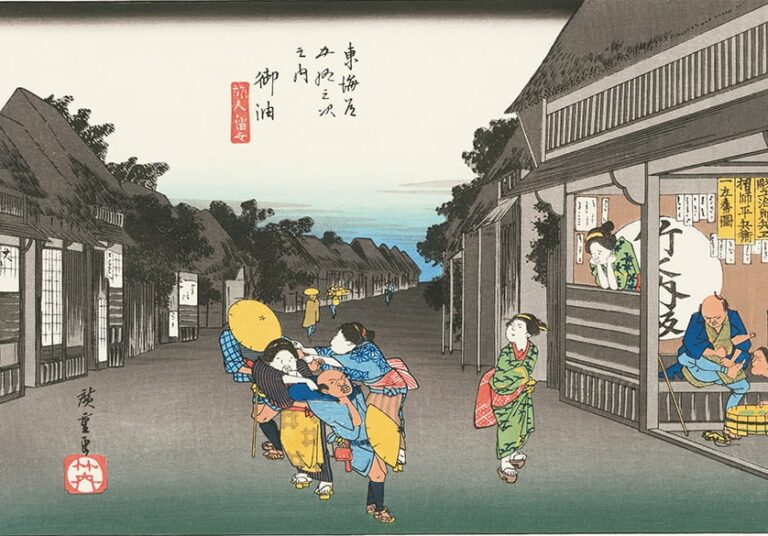
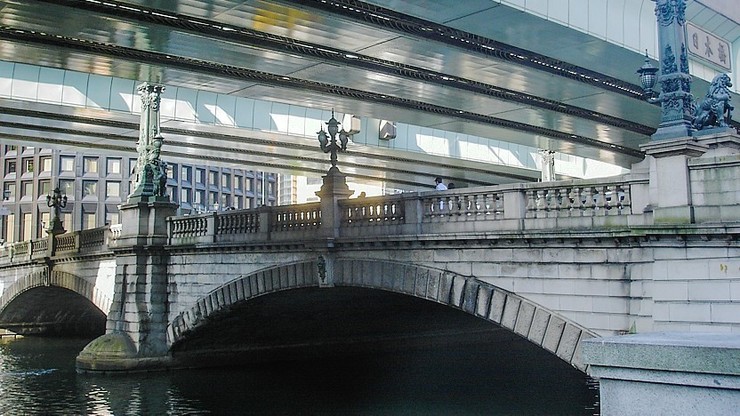
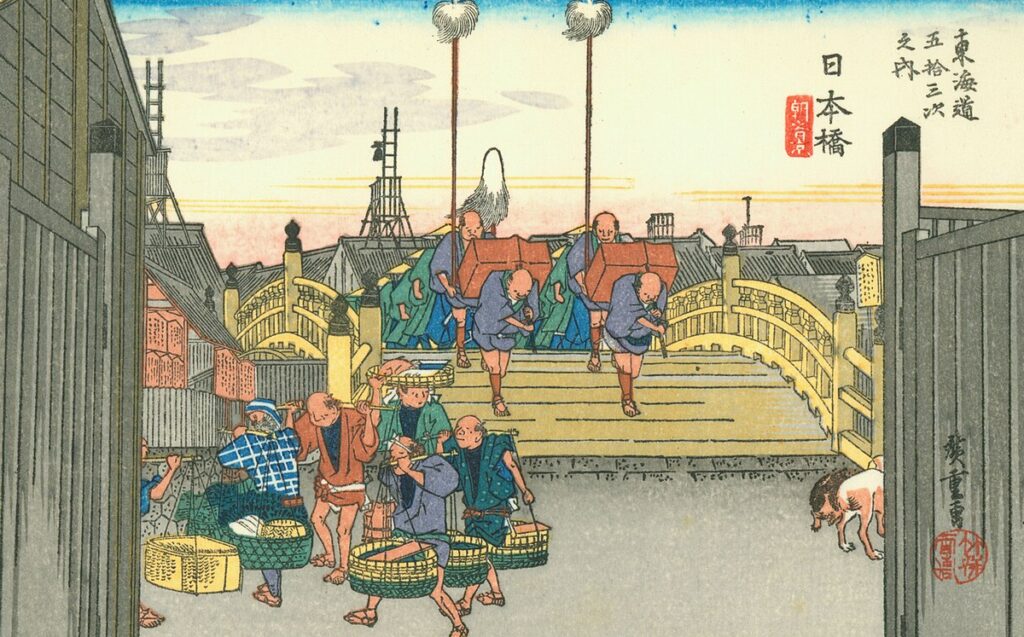
My first step on this journey began at Nihonbashi, close to Tokyo Station. The Nihonbashi bridge was originally wooden in the Edo period, as you can see from the picture below, but was replaced by a stone bridge during the Meiji period. In the 1960s, an expressway was created overhead (ruining the overall view somewhat).
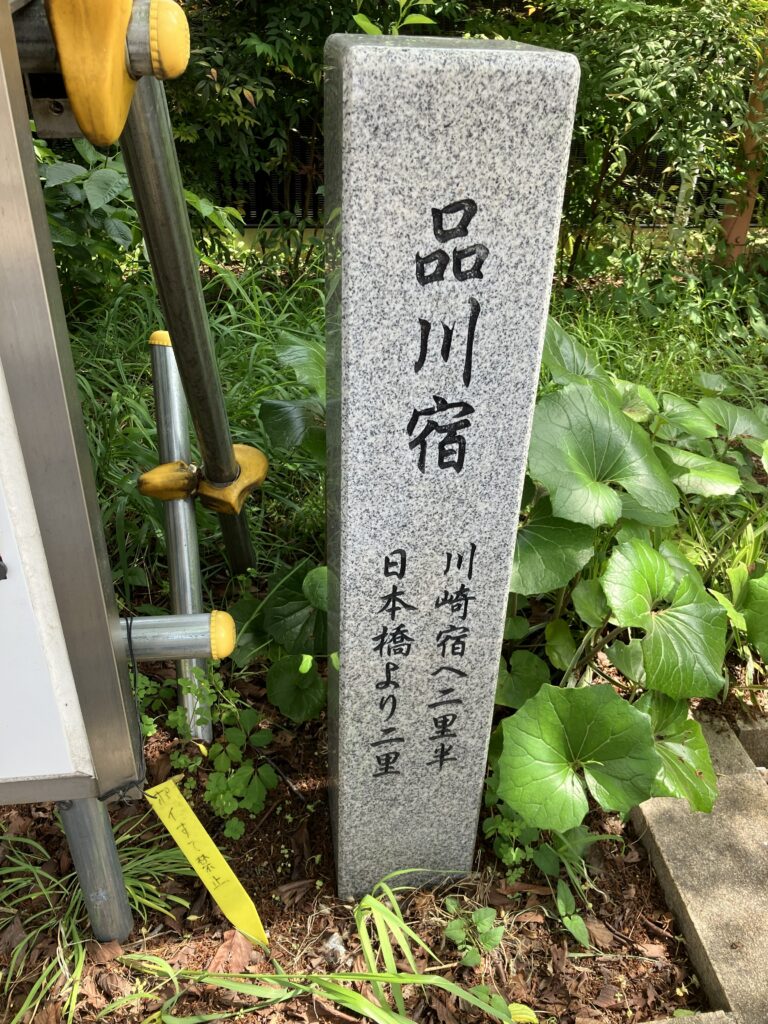
From there, the modern route is just a walk through the city of Tokyo, going past Ginza and Minato-ku until you reach the first of the 53 post stations, Shinagawa. At this point, you can walk for a few kilometers down an old road with older-looking buildings that is in the same location as the old Tokaido route. There are also a few temples off to the side here and there, such as Honsen-ji, which has a history of around 1,300 years.
The next station, Kawasaki, is 10km away from here and is just outside of Tokyo across the Tama River. When entering Kawasaki, there are numerous ukiyo-e pictures on display showing Kawasaki in the Edo period, when it was a spot on the Tokaido. A unique thing about this city is that in the Edo period, the bridge connecting it and Tokyo across the Tama river was not there (bridges were built early on but were destroyed multiple times due to flooding). So, those travelling to and from Edo on the Tokaido would have to ferry across, which would take a long time for those with large entourages like the various feudal lords.